
Overhead fault monitoring
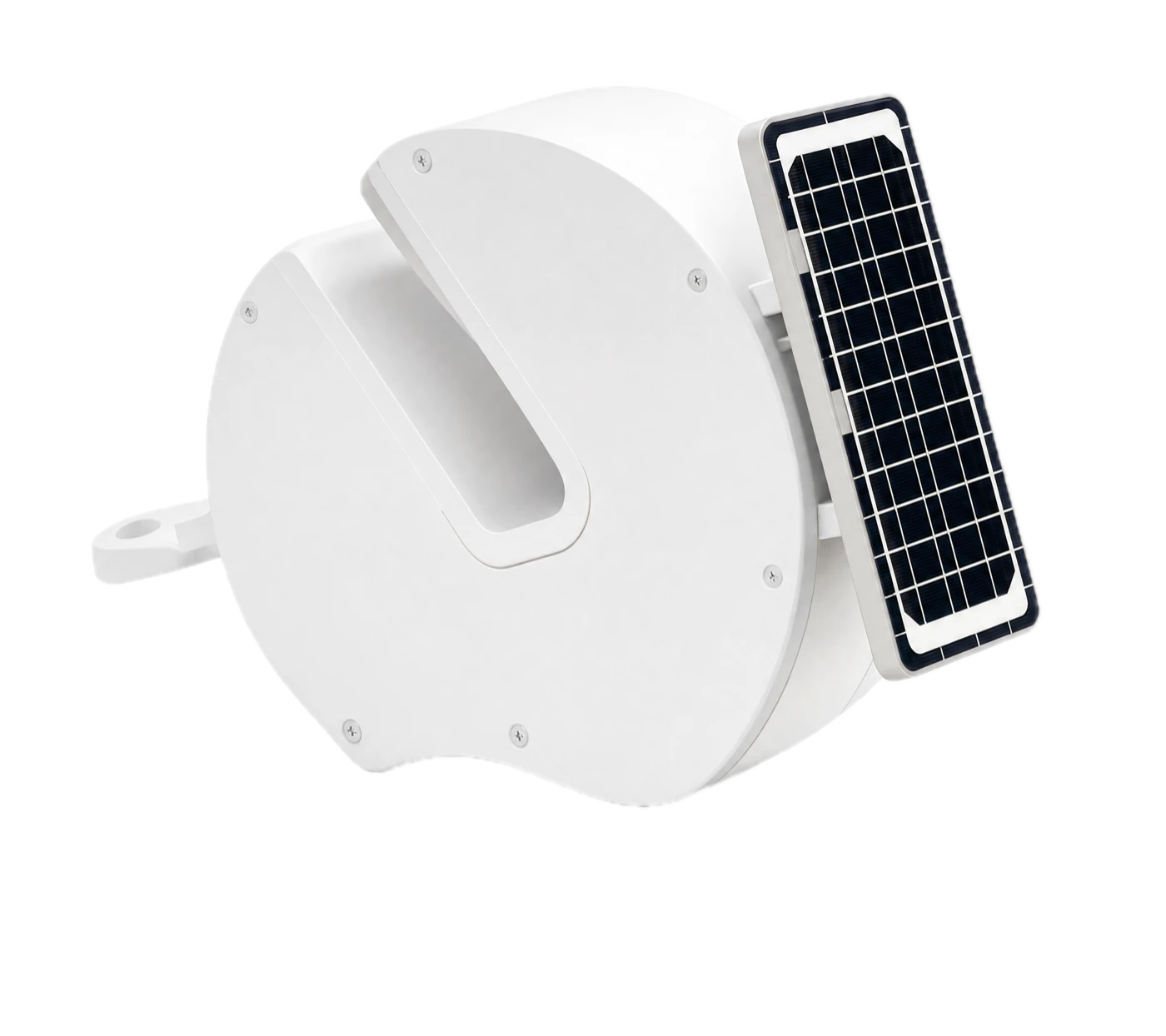
TS100: smart fault and loss sensor for medium voltage
Measures electrical quantities, detects faults in real time and supplies the data to locate non-technical losses, at any point of the distribution grid.

What it is for
Locate the fault and know if it was temporary or permanent
Detects faults through the current ramp, per phase and per group, and is configurable to 3 di/dt sensitivities to match the upstream reclosers.
Measure and locate non-technical losses
Measures the energy consumed downstream of its location and delivers the data to the Habitat NET platform, which calculates the losses.
Don't depend on batteries
Each sensor has its own solar panel and ultracapacitors: no maintenance and no battery replacement. Up to 36 hours of autonomy without sunlight and a service life of over 15 years.
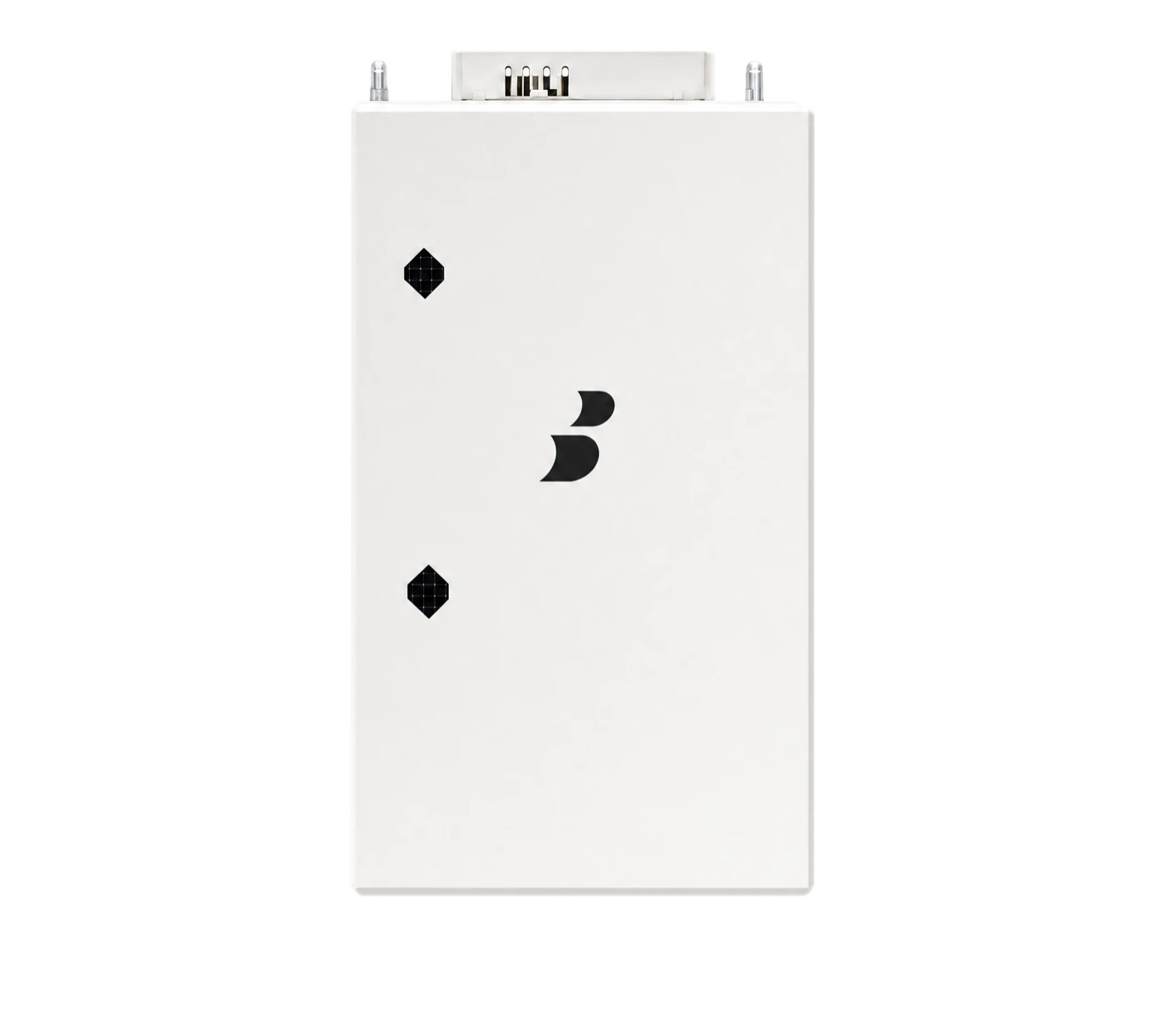
It installs on a medium-voltage line, on bare or covered conductors up to 30 mm. The set is three sensors, one per phase, and one concentrator.
Technical specifications
Electrical
- Service voltage
- 0 to 34.5 kV L-L
- Maximum design voltage
- 34.5 kV L-L
- Voltage measurement range
- 6 to 34.5 kV L-L
- Current measurement range
- 1–100 / 4–400 / 6–600 A
- Minimum detectable current
- 1 A
- Measured short-circuit current
- 25 kA / 170 ms
- Frequency
- 50 / 60 Hz
- Grid voltage detection
- By electric field
- Short-circuit recognition
- 2 cycles (40 / 32 ms)
Power and environment
- Power supply
- Solar panel
- Energy storage
- Ultracapacitors
- Autonomy without sunlight
- Up to 36 h
- Service life
- Over 15 years
- Use
- Outdoor, MV grids
- Protection rating
- Sensors IP67 · Concentrator IP65
- Operating temperature
- −20 to +70 °C
- Insulation
- Polymer
- Conductors
- Bare or covered, ≤ 30 mm
- Reset type
- Automatic
Communication and integration
- Signals to SCADA
- 32 digital · 35 analog
- SCADA protocol
- DNP3
- Sensor ↔ concentrator
- Unlicensed radio frequency (≈ 915 MHz)
- Link to the control center
- 3G/LTE · Ethernet · Satellite · Optical fiber · Wi-SUN
- Concentrator ↔ sensor distance
- Up to 20 m in urban areas
- Units per concentrator
- 3 sensors
- Database
- Web server, license included
- Geolocation
- ID upload to GIS
Specifications subject to change without notice. Final configurations are defined per project.
How it integrates
Three sensors and a concentrator
The sensors talk to the concentrator over unlicensed radio frequency (around 915 MHz, customizable), up to 20 m in urban areas. The concentrator synchronizes the measurements with a difference of only a few microseconds.
From the concentrator to the control center
It sends the data to the SCADA and to a web server through two independent ports, using a modem-router over Ethernet or LTE 3G/4G. To the SCADA it reports 67 parameters, 32 digital and 35 analog, over DNP3.
Patented power factor
It calculates the power factor with a patented system that combines the medium-voltage current phasor measurement with the low-voltage angle.